


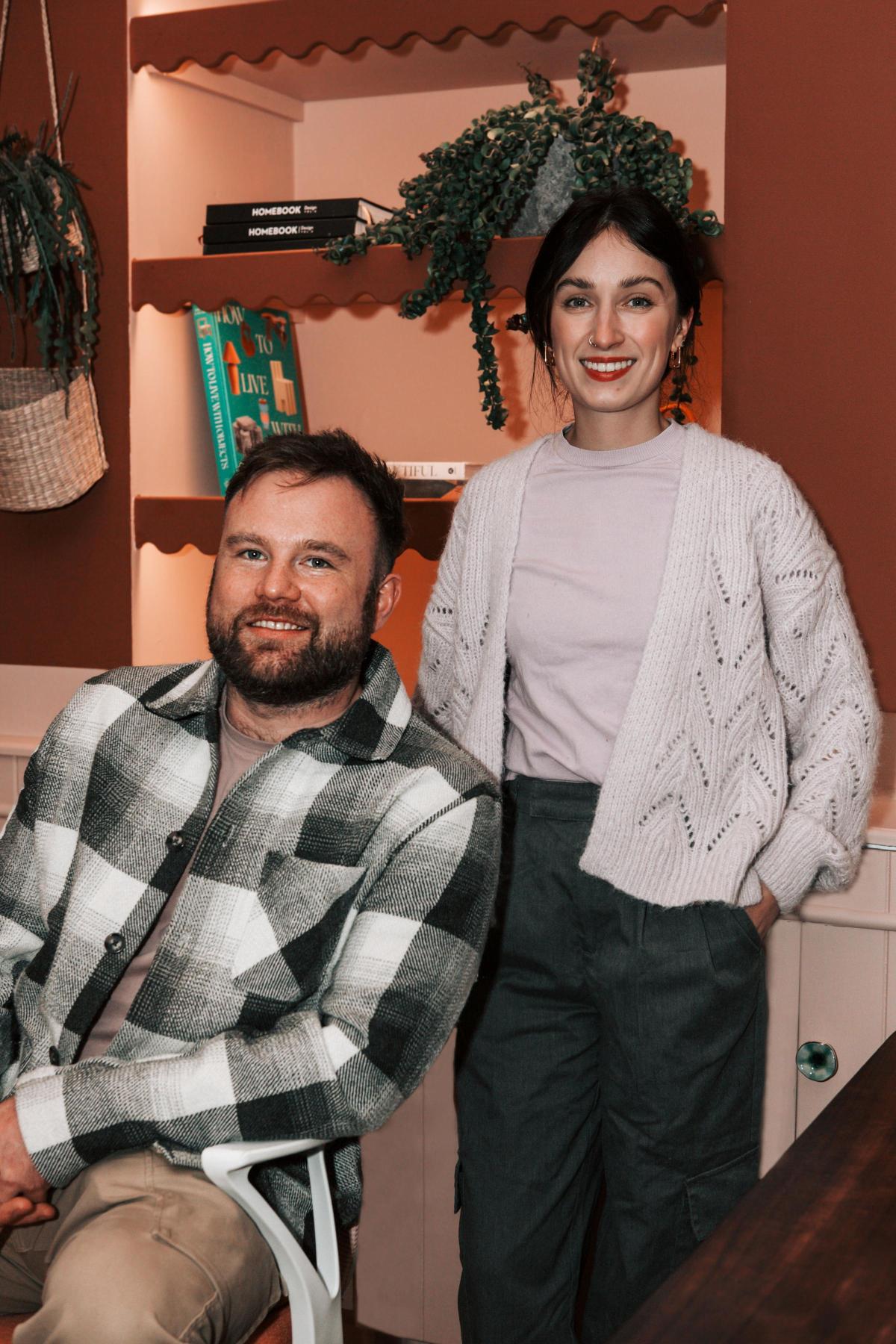
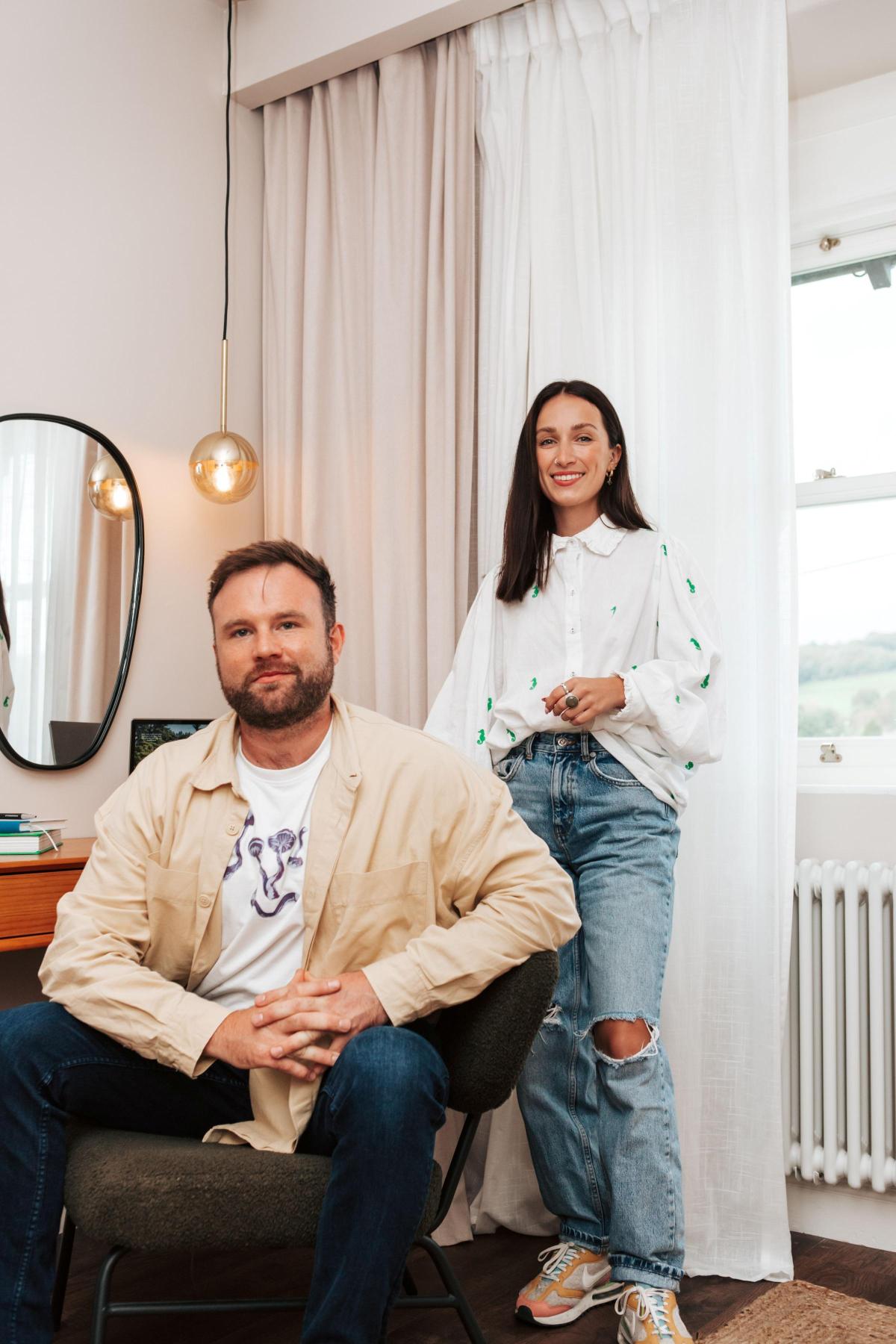

Setting up a business involves focusing on what you know, and ideally what you love. For Niall Mellonie and Marta Pawlik, that was camping.
Ever since meeting in university, the couple had always loved off-the-grid getaways, and when they graduated and moved from the North East to the Lakes – an area with swathes of open land – it made sense to try and turn their passion into a hobby.
Their wild luxury camping company proved popular – with bell tents set up in a beautiful meadow with a double mattress, log burner and fairy lights. But it came with problems. They would often have to meet campers in a zone where there was Wi-Fi access before driving them down to their tent (‘otherwise we couldn't find them!’). There were times when they would have to chase wild mice out of the area so they wouldn’t damage the accommodation. One year, when Cumbria suffered a torrential period of rain, the whole camping field was flooded.
Just as Niall and Marta were musing whether running this business was viable, an opportunity came straight to their own door.
By 2017, the couple had saved up for a house deposit and were preparing to move out from the duplex they rented from a friend, leaving half of the property unoccupied. They had a brainwave and asked the friend if he’d consider letting it out to visitors. Niall and Marta would take care of all the admin.
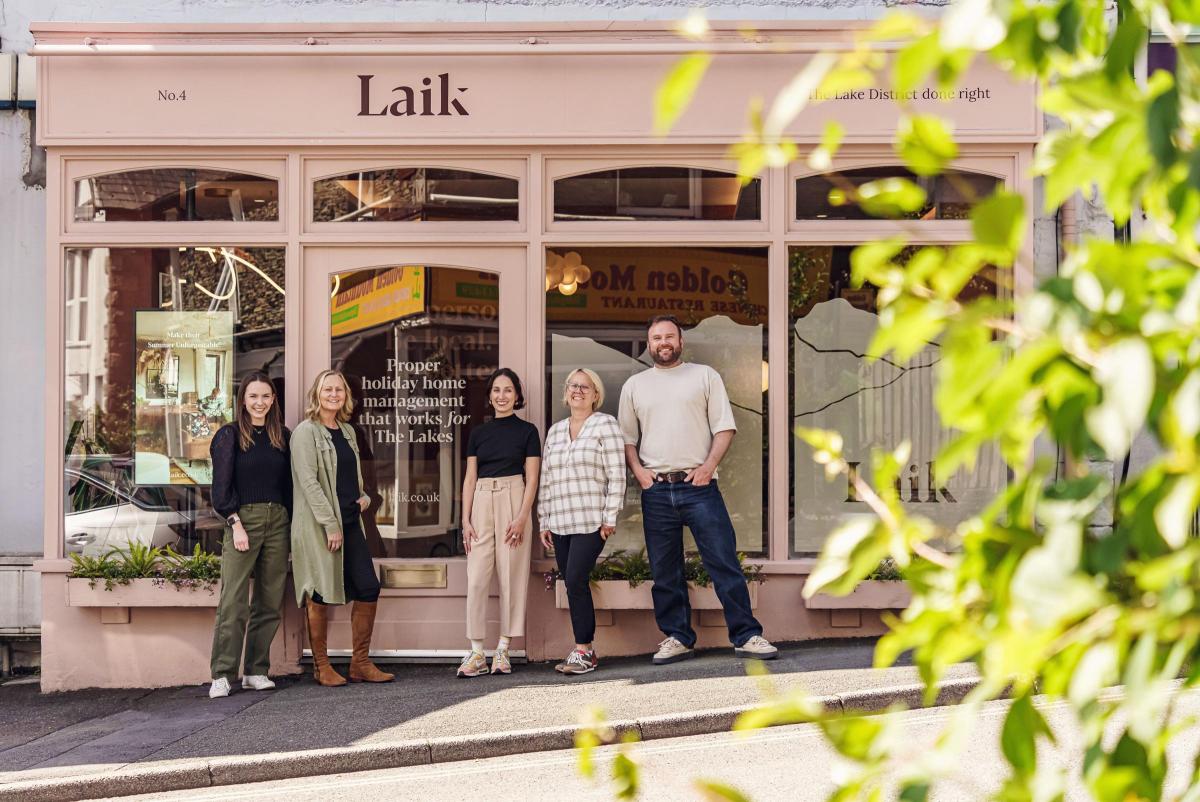
That’s how Laik began – and the company still has that property today. Plus 50 others.

As a Windermere success story, Laik is probably among the most intriguing of the past few years: A little family startup that has found a large and loyal audience in one of Cumbria’s most competitive marketplaces – relying on word-of-mouth rather than billboards and banner ads.
‘Competing with the likes of Sykes or Cottages.com online is impossible,’ Marta explains.
‘Sykes' budget for marketing is something like £36 million per year. It’s on another level. So, we took a different approach and focused on quality and community rather than numbers.’
The fierce competition is only part of the reason the staycation economy is so challenging for business owners. Tourism numbers are down in the Lake District and Laik says the property market has slowed, with unsold properties being reduced in price due to lack of buyers. Yet in the past two years, Laik has pushed its turnover up by ‘around 300%’, increasing their number of properties from 16 to 53, and quadrupling headcount in the office.
Many bookings come from referrals after landlords and guests discover Laik’s reviews: Which Niall says are among ‘some of the best’ in the industry. This reputation has even helped to attract new staff: Some members of the Laik team today are people who walked in off the street armed with CVs, expressing how eager they were to work for the brand.

So, what exactly is it they’re doing so differently, so well?
‘Simply put, it’s a focus on benefitting local people,’ Niall says
‘Our philosophy is not to drown the Lakes in endless holiday cottages but work only with ones that are used purposefully to support the local economy.
‘There is a line of thought that investors from London are buying up Lake District properties, taking the money, and just putting it back into the south. But with our model, a lot of that wealth is retained in the area because it's spent by the guests on our services and taken home by a lot of people who live here.
‘We try to promote other businesses in the area: We require our owners to provide local toiletries, shampoos, conditioner, shower gel, a guidebook, that kind of stuff. And we use local cleaners, linen companies, tradespeople, entertainers, private chefs.
‘There are so many people beyond Laik who retain cash from our model.’
Throughout a typical year, Lake District’s self-catering units are occupied, on average, 53% of the time – rising highest in summer and flatlining in February. Whilst this is higher than the national average, the way Niall and Marta see it, there’s still around half the properties sitting empty.
‘It’s a waste of half the housing stock,’ Niall says.
‘By filling these places – and making them great to live in – we’re making the area better for everyone.’

Laik’s model is built with three key stakeholders in mind: The guests, the property owners, and the community.
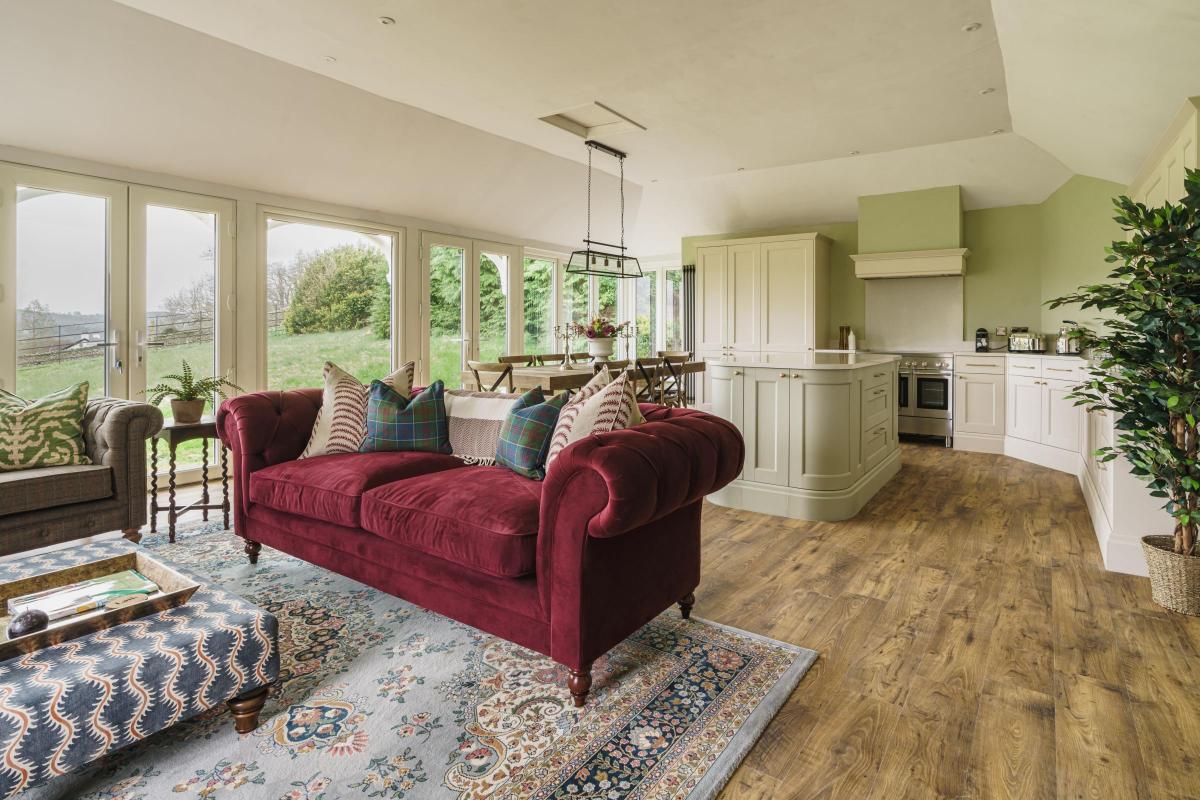
Niall explains: ‘For the guests, it’s about offering something that is better than their own house: whether it's got amazing views or a fantastic design or a hot tub.
‘For the owners, the property needs to be occupied, income is being generated, and it’s being looked after (Laik’s sister company Verdant Interiors focuses on furnishing these properties to high standards). When you ring our team, they'll probably know exactly what your property is, and they'll be in the loop of how they can help you.
‘For the local community – perhaps the most important of all – it’s about opportunity. Our business model helps to spread the wealth that comes in from the holiday letting out across the local area, as opposed to letting it get sucked out – which is not sustainable tourism, in our opinion.’
Laik is also strict about who they work with – turning away around 30 per cent of people who approach them because the property doesn’t fit the standards they have set.
‘We know that the guests won't be happy with it, then the owners don't get what we promised them, and then the reviews will be affected,’ Marta explains.
Despite its success at a local level, Laik is staying within its geographical comfort zone.
Niall says: ‘We don't have a dream of becoming national or going abroad or anything like that. Why would we go to Yorkshire Dales if we don't know it? It's not really our market, is it? We want to stick to what we know here and do it very well.
‘We’ve been growing at the right level and taking time to work with people that align with our ethos. We have lots of partners in the business and that means having to work together. So, you need people who align with your own thinking.’
Marta agrees.
‘Same goes for the team,’ she adds.
‘I think there is a stage, especially in business, when you have to step back slightly and trust your team. And we have a great one.
‘We don't come from a business family. We've just done everything ourselves from scratch. But I don't think I would have changed anything because we've learned from everything that we've done. If we started again, we'd still do what we've done in the past – but in half the time.
‘Our industry is so fluid. The patterns change, the software changes. You have to constantly keep on top of things. When we were starting, AI wasn't particularly big. Airbnb was a totally different channel. It’s all different now. So, it is important that we stay on top of it and show we care.’
She turns to Niall for a moment.
‘We really do care, don’t we?’ she says.
He nods and smiles.
‘We do. I think that’s what’s most important.’

Share