



"Our national security is being built here in Barrow."
That is the message from defence secretary John Healey at a time when he says the UK is facing "immediate" and "imminent" threats from Vladimir Putin’s Russia.
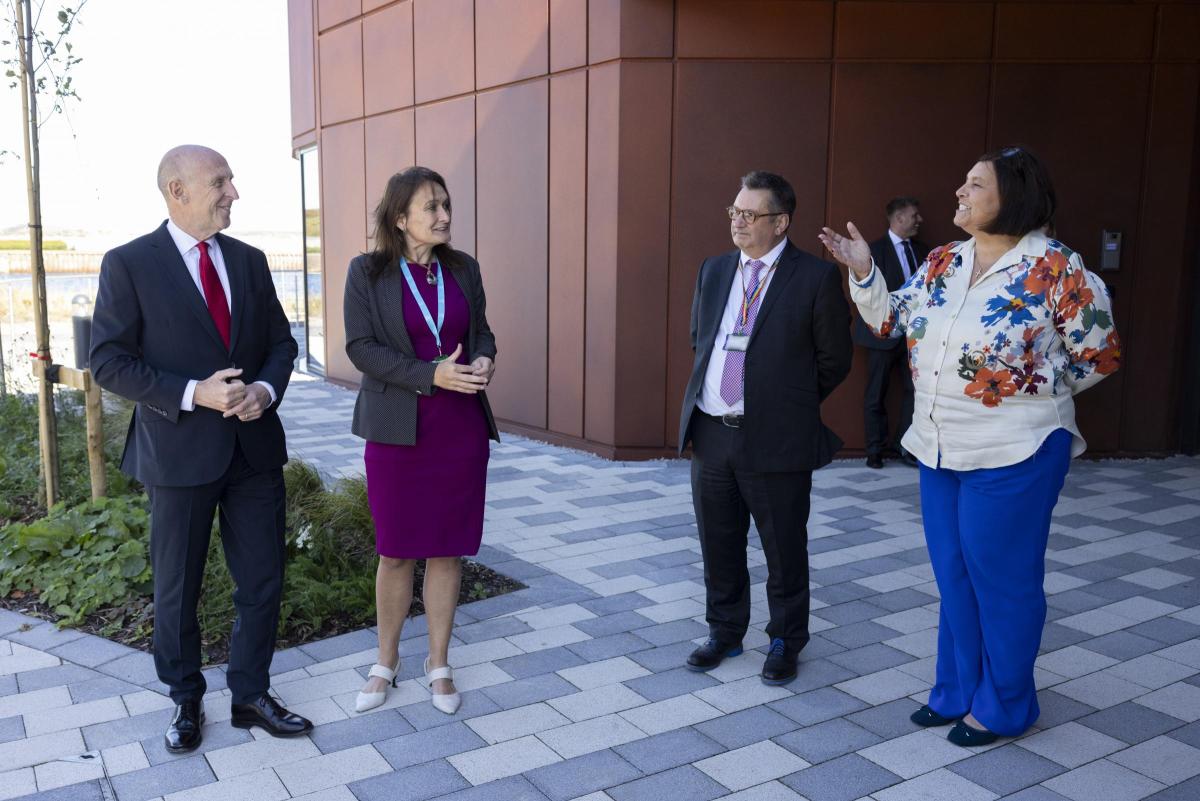
Mr Healey visited the town in September alongside King Charles III, who came to mark the Royal Charter being bestowed on the Port of Barrow.
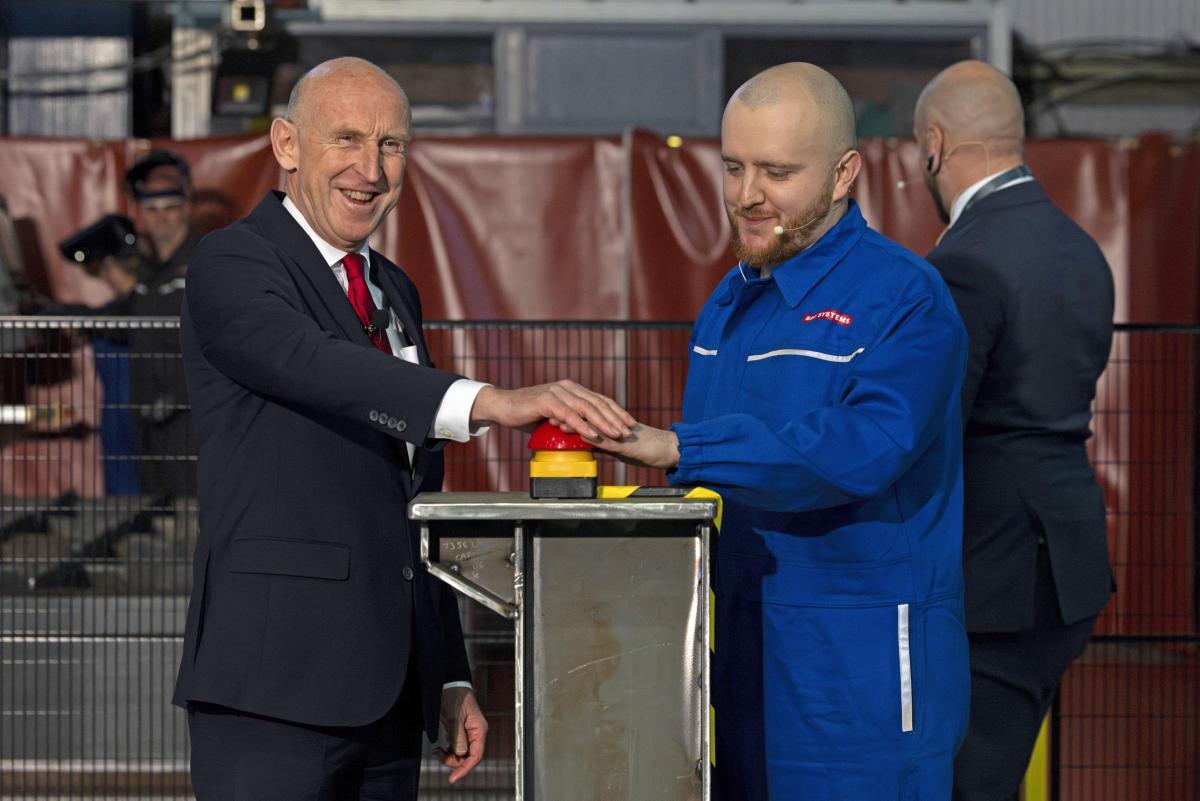
He was given a tour of the skills and engineering hub at the university’s newest campus on Buccleuch Dock Road after cutting steel on the fourth and final Dreadnought-Class submarine, HMS King George VI, and attending the commissioning of the sixth Astute Class submarine, HMS Agamemnon.
Mr Healey says Barrow - which has built over 300 submarines for the Royal Navy since 1901 - is playing a leading role in the ongoing defence of the UK and NATO in an increasingly threatening world.
"The threats are not just imminent. They are immediate," he says.
"We've seen that with the way that Putin has tested NATO.
"We've also seen it, and I'm proud to say, in the way that Britain has been able to respond as part of NATO, saying, 'You test us, you make NATO stronger, you push us, and you renew our determination to stand with Ukraine.'"
The Strategic Defence Review, published by the government earlier this year, spelled out the need for the UK to be ready for a "high-intensity, protracted" war, although it also said a full-scale war could be avoided by being "ready to fight and win".
Meanwhile, the Defence Industrial Strategy, published in September, set out a vision for using defence spending - pledged to grow to 2.6 per cent of GDP by 2027, growing to three per cent by the next Parliament - to boost economic growth.
The government has also committed to put an extra £6bn into submarine production in this Parliament with an ambition of building a new boat every 18 months.
"These are the most advanced, most feared submarines in the world, they're deterring the sort of aggression that we've been seeing from Putin and any other adversaries," said Mr Healey.
"I think if you look at our Strategic Defence Review that we published in June, pulling on the lessons that we can see from Ukraine, two things stand out.
"First, that a country when it's forced to fight or under threat, is only as strong as the industry that stands behind its armed forces. The second is that the nation that can get the innovation and the advances in technology faster into the hands of its warfighters will have the battlefield advantage.
"What that tells us is that we will need the heavy metal platforms of submarines and planes and tanks, but alongside those we will increasingly need the new technology of AI and drones."

The government has pledged to invest £200m in Barrow over the next 10 years in recognition of its role in national security.
Team Barrow - the partnership which includes the council, central government and BAE Systems - will use this money, alongside £25m secured as part of the Town Deal in 2022, to deliver improvements in health, education, transport, the economy and community.
The new university campus was a key part of the initial vision outlined as part of the Town Deal funding.
"I don't see it as gentrification. I see it as the acceleration of fresh opportunities for young people and a way of drawing more people into Barrow," said Mr Healey.
"BAE Systems is looking to Cumbria University to help with fresh skills, fresh talent, the sort of things that will keep Britain and BAE Systems at the leading edge of innovation, of technology, and some of the manufacturing build techniques that we've seen in the shipyard today."
He added that increased defence spending will create economic opportunities for the many other companies in Cumbria that operate in the defence supply chain.
"I'm not interested in simply a contract by contract approach to the way that we do this. Part of the defence dividend of this country is more jobs across the UK, but it is building up the British industry and innovation base for the future."
Although some areas will benefit from the "defence dividend", he said there will undoubtedly need to be "tough decisions" made around cuts in order to fund the increase in defence spending.
"This is a new era, a new threat. It demands a new era of defence, and we are increasing defence investment by the biggest amounts since the end of the Cold War.
"Now, my job as defence secretary is to make sure it's not just a question of how much we spend, but how well we spend it and what we spend it on."


Share